
Replacing Screen Media
October 6th, 2026
Don’t let heavier wire be your knee-jerk reaction.
You're replacing screen media more often than expected. The natural reaction may be: We need heavier wire.
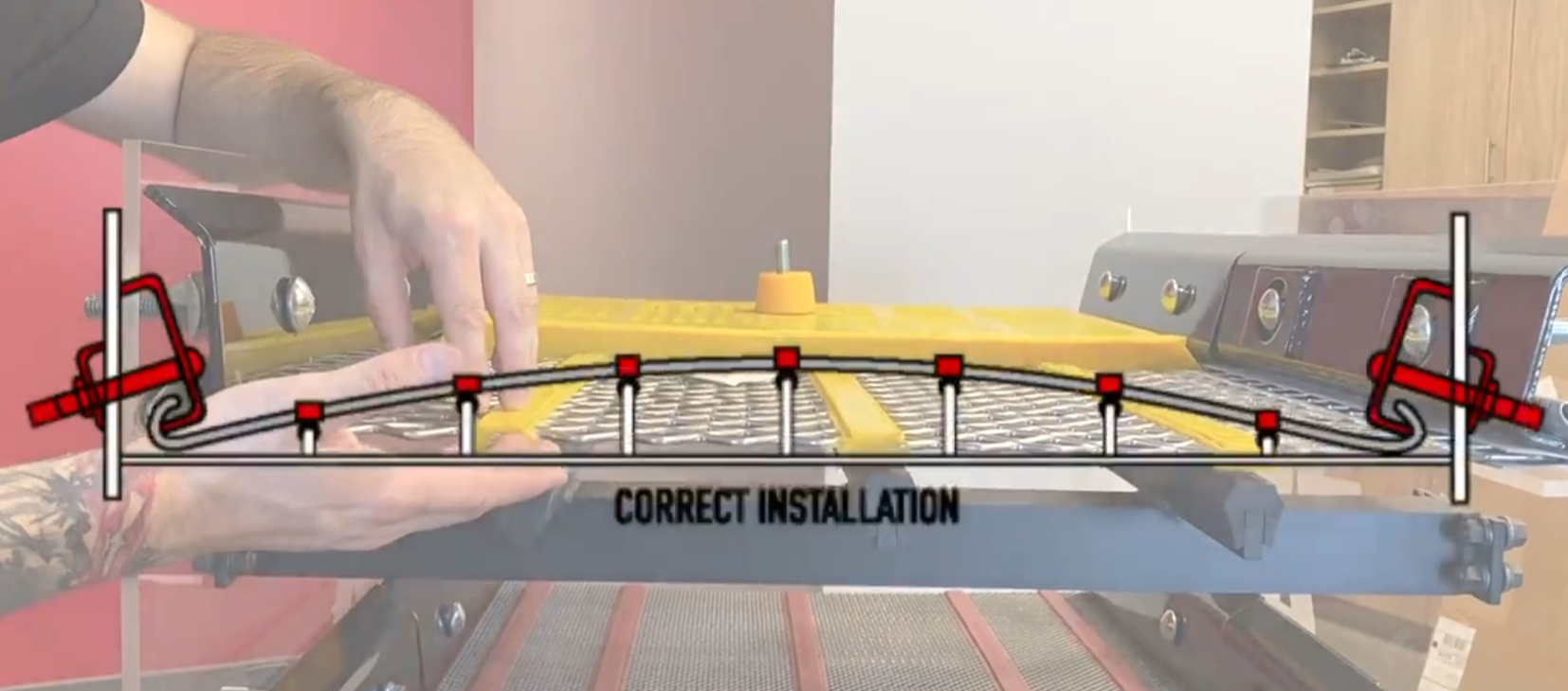
Photo: correct installation of wire
You may need heavier wire…Maybe.
But heavier wire isn't automatically the answer, and depending on the application, it could reduce open area and screening efficiency without fixing what's actually causing the premature wear.
Before changing media, look at what's happening around it, underneath it and before material reaches it.
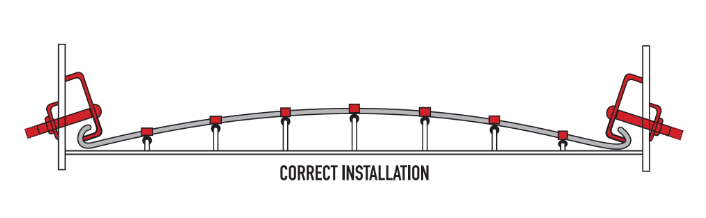
1. Start underneath the screen: crown bars and channel rubber
The screen needs consistent support.
A worn or missing piece of channel rubber may seem minor compared with the screen itself, but it can change how the screen is supported. Look for worn, missing or improperly seated rubber—and make sure the crown bars create a consistent crown across the deck.
2. Look at the tensioning system—not just screen tension
Check for:
Misshapen clamp rails
Clamp rails that don't match the screen media length
Missing bolts
Incorrect bolt-hole height
Dirty rail or hook edges
Cracks or broken welds
Loose bolts on the screen box or deck
Excessive bolt wear can loosen a clamp rail and lead to screen damage and premature failure.
3. Look at WHERE the screen is wearing
Instead of just seeing a "worn screen," look at the wear pattern.
Is one side wearing faster?
Is the center taking most of the impact?
Is the same section repeatedly failing?
Are you seeing broken wires in the same location every time?
Concentrated wear or repeated failures in one area are a clue that something else in the screening process needs your attention. Leave it unchecked and you could end up with damaged media that contributes to carryover, contamination and unnecessary rescreening.
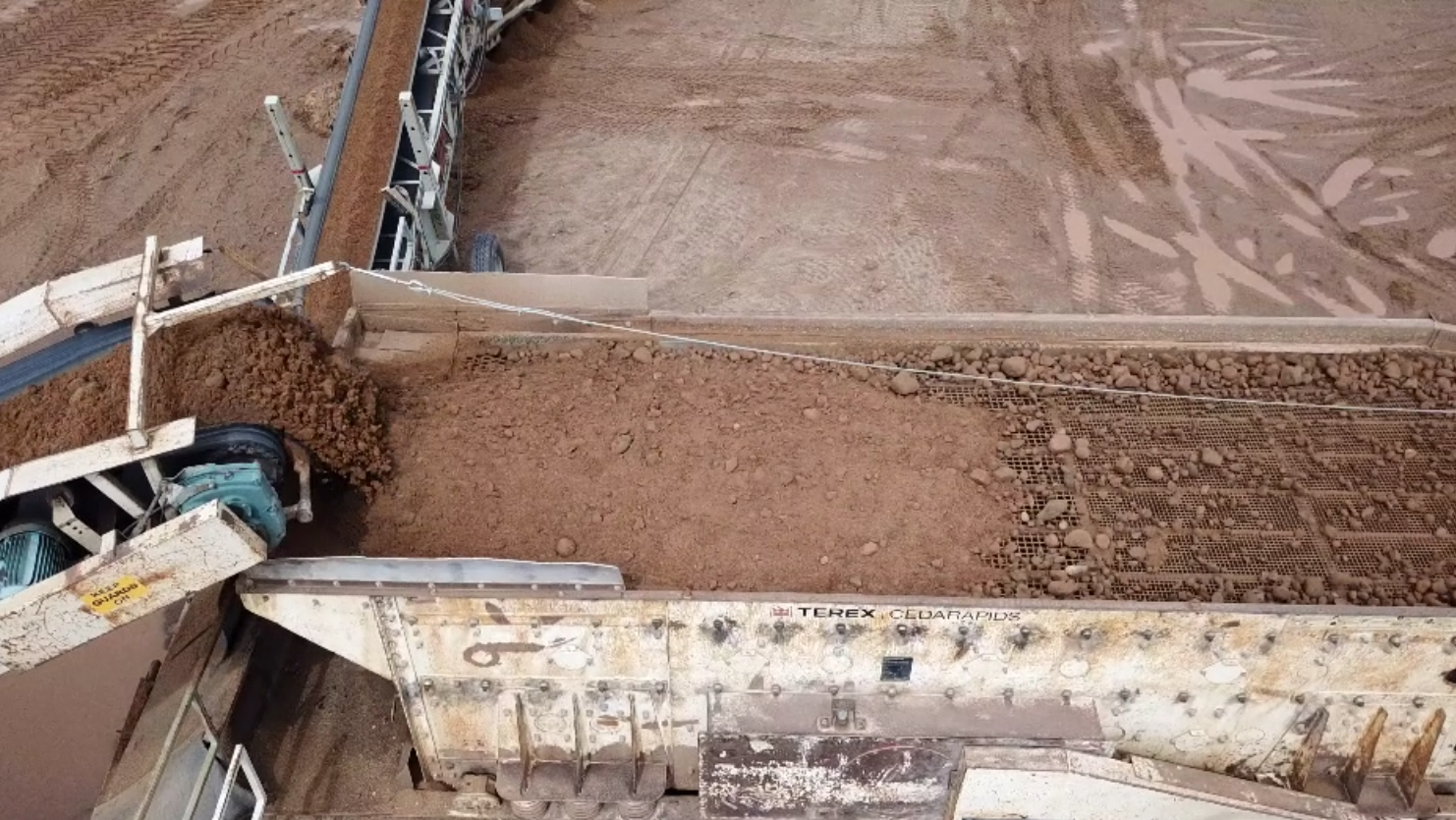
Notice how the feed is positioned to distribute material evenly across the screen deck.
4. Then look UPSTREAM: how is material hitting the deck?
A properly fed screen receives material into the feedbox with minimal horizontal velocity and distributes it evenly across the width of the machine.
Poor distribution can leave areas of the deck overloaded, underloaded or barely being used at all. If one section is consistently taking on most of the material and impact, premature wear shouldn't be a surprise.
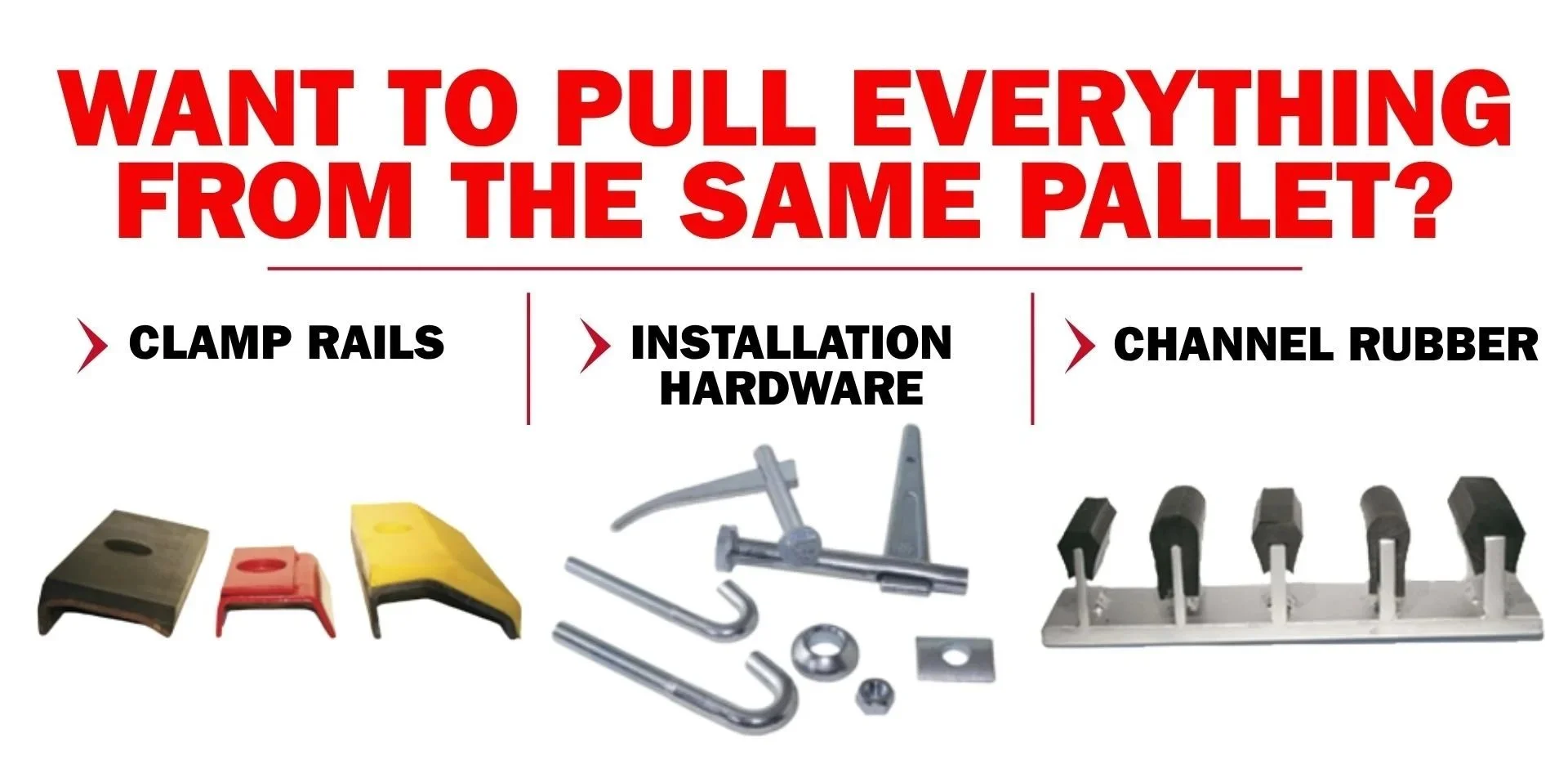
5. THEN ask whether you need different media
If the installation looks right, the supporting components are in good condition, tension is correct and material is feeding evenly—but you're still getting unacceptable wear life—then it's time to look at the media.
Material size, weight, abrasiveness and desired opening all play a role in choosing the right screen media. The answer may be heavier wire, a different weave or another media type.
But before changing the screen, make sure the screen you already have is being given a chance to perform.